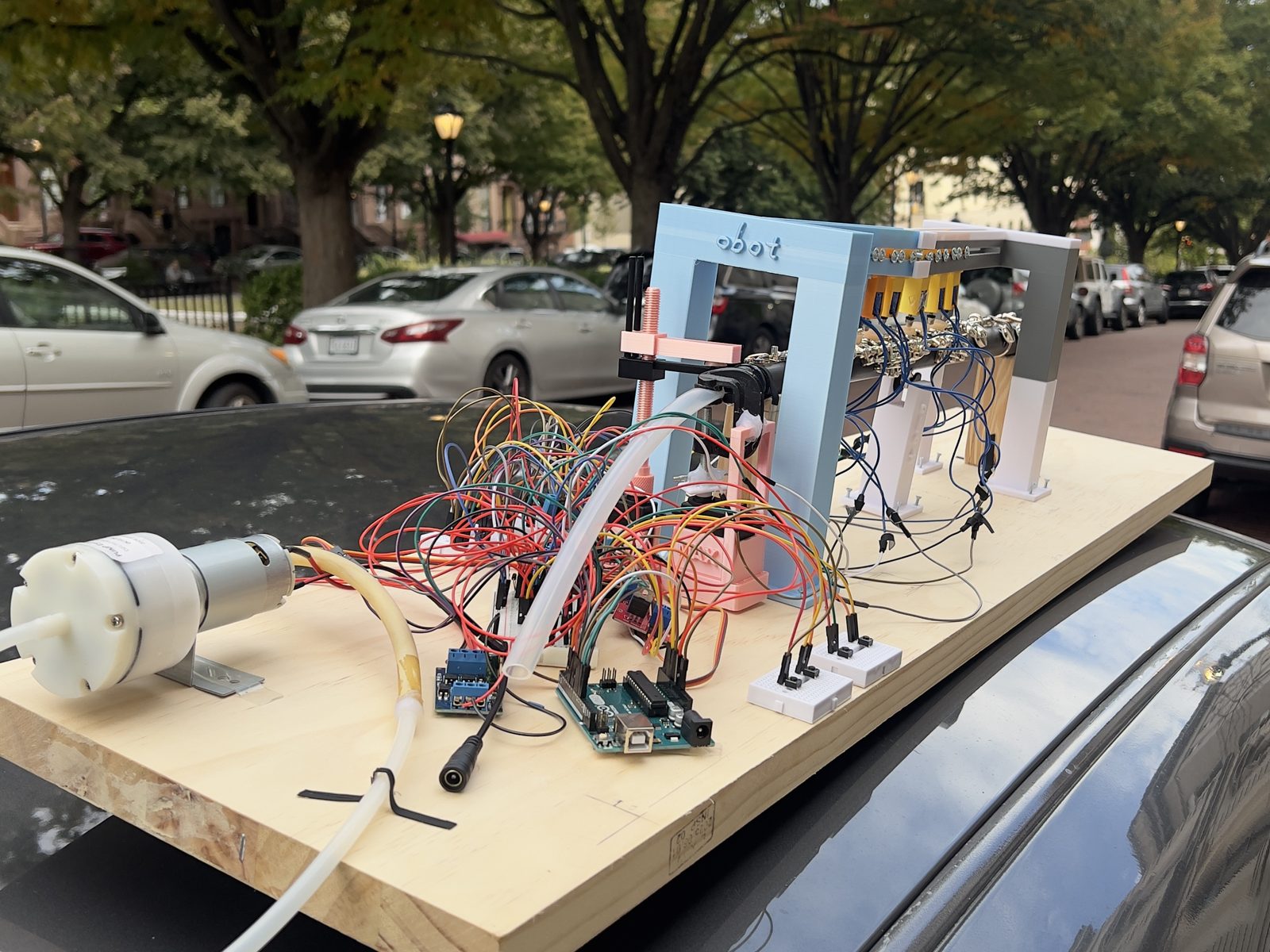
 P/01
OBOTRobotic Oboe System
A mechatronic oboist that plays a real double reed — solenoid fingering, pump-driven breath and a mechanical embouchure.
Robotic InstrumentArduinoCADMechanical Eng.
Robotic instruments, interactive systems and gestural interfaces — built where music meets machines.
P/01
A mechatronic oboist that plays a real double reed — solenoid fingering, pump-driven breath and a mechanical embouchure.
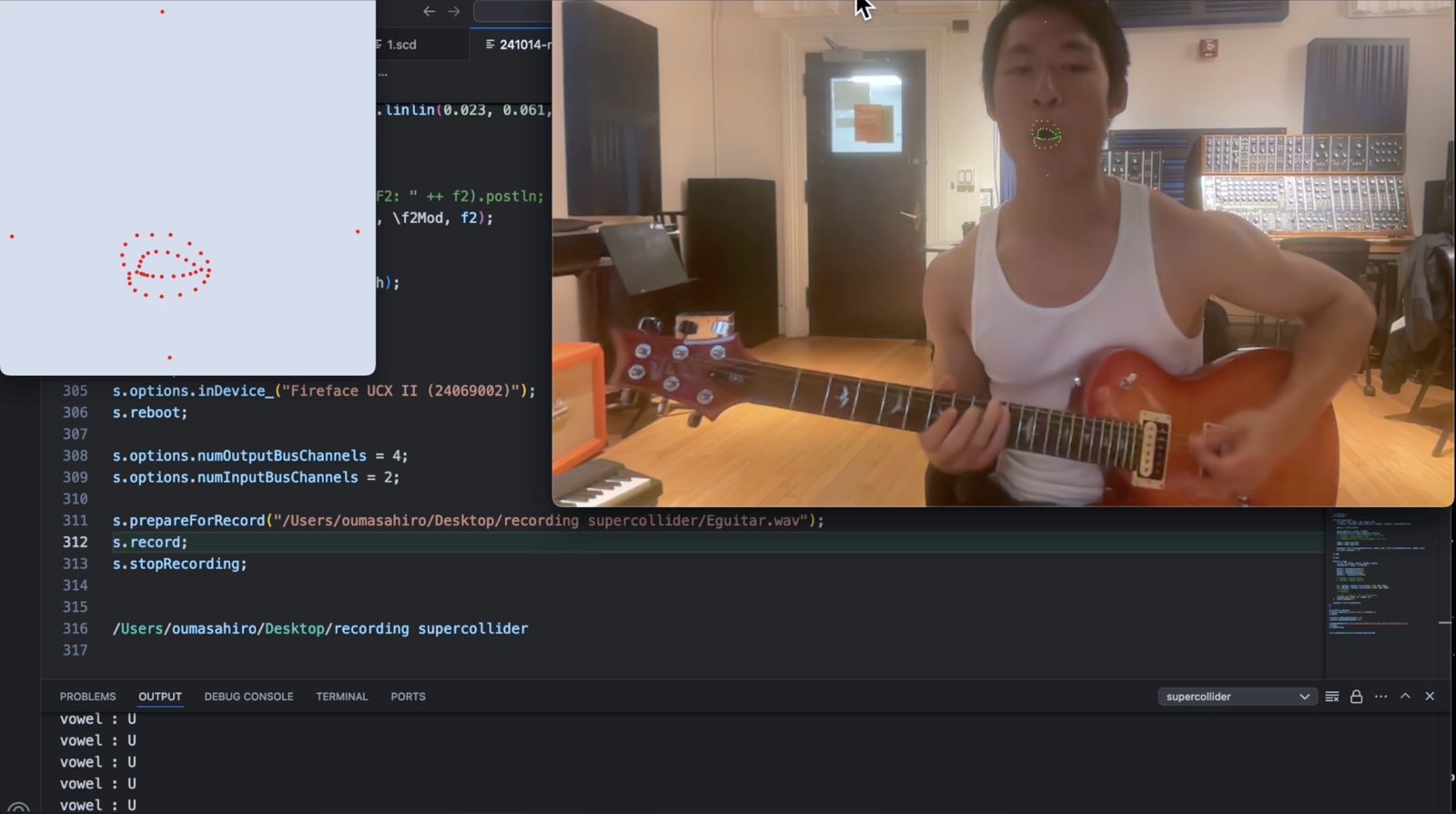 P/02
Mouth landmarks tracked with MediaPipe become vocal formants in SuperCollider — a talkbox you play with your face.
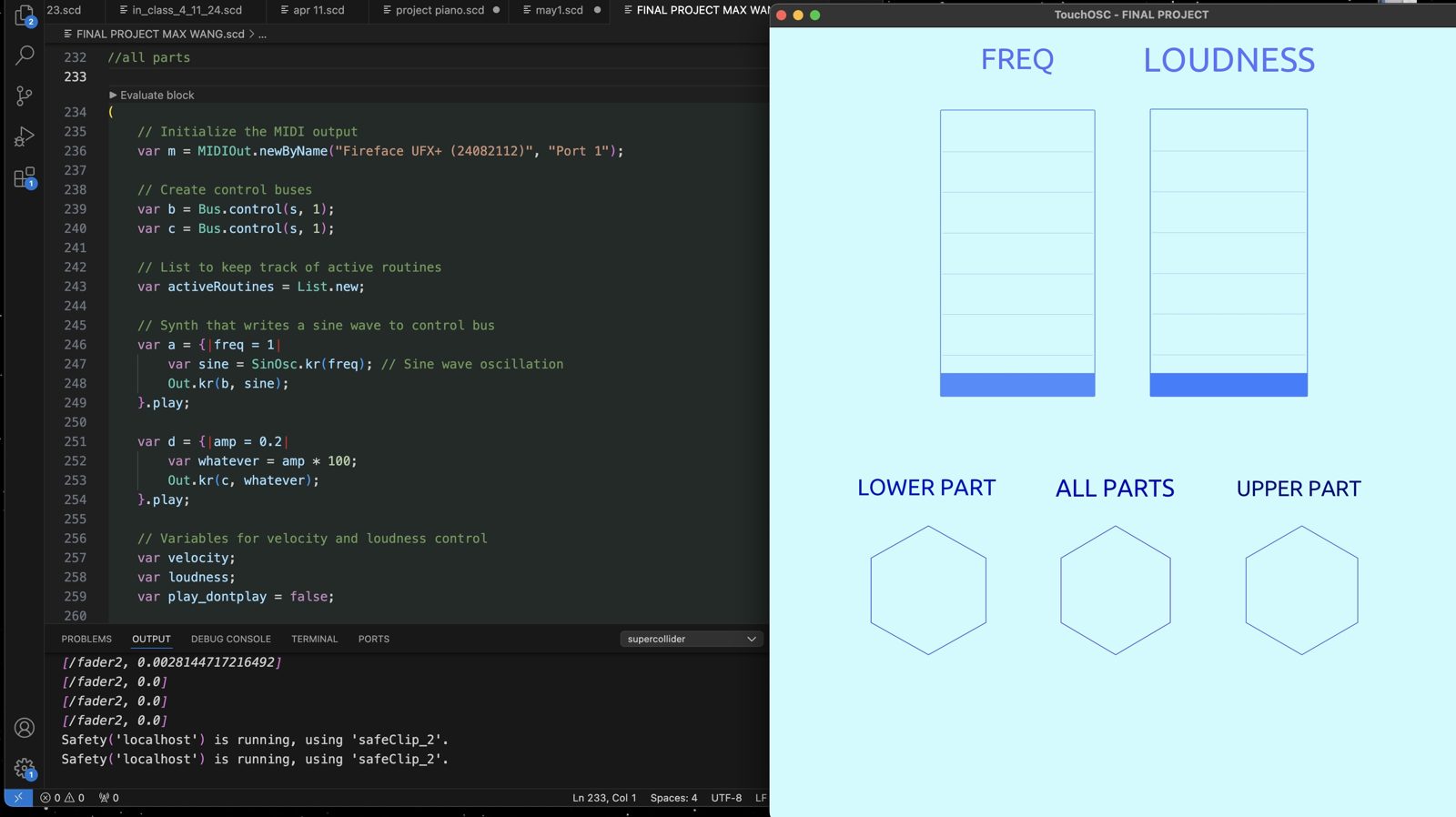 P/03
The Disklavier listens in real time and answers back — an algorithmic improvising partner on stage.
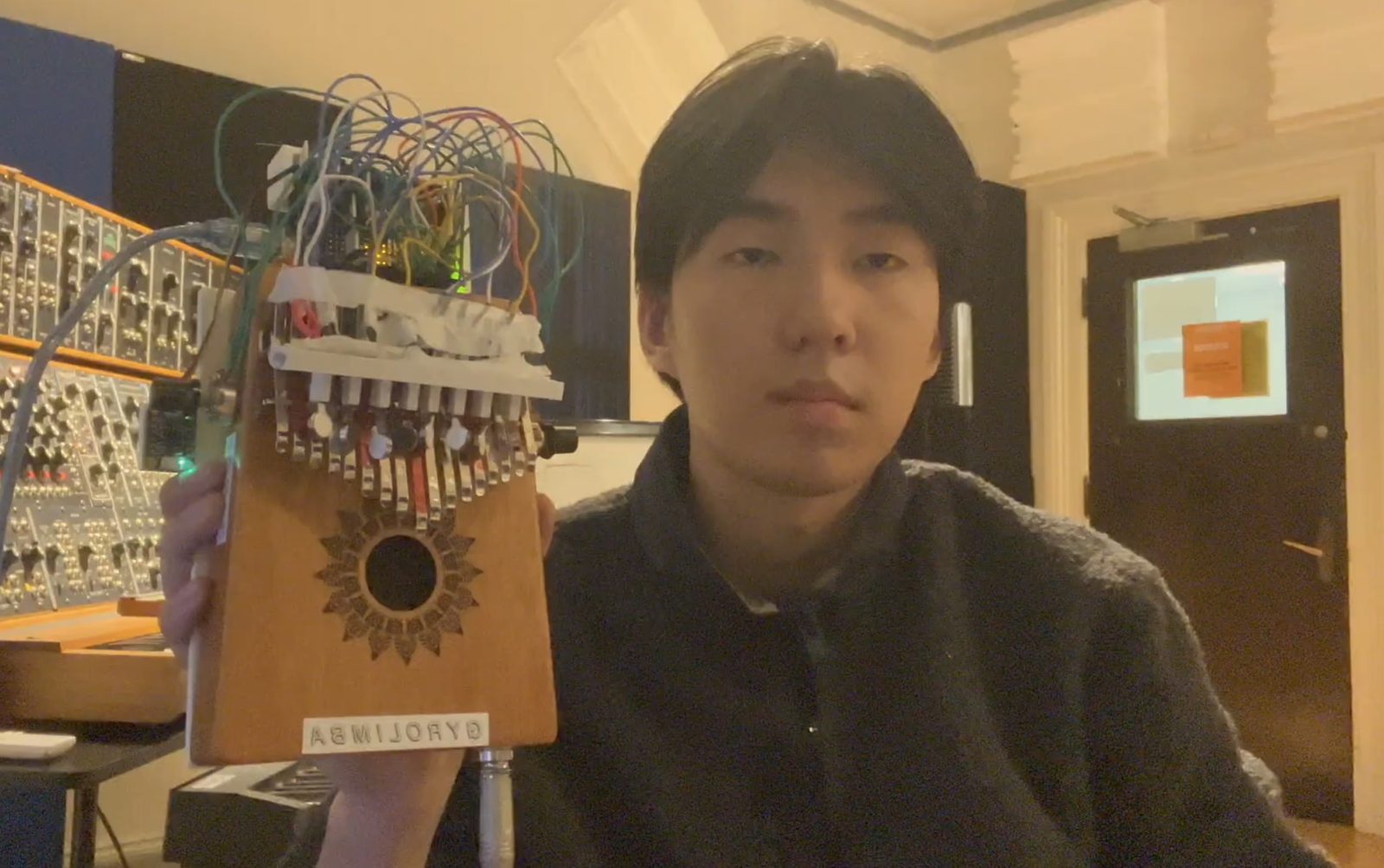 P/04
A modified kalimba with a built-in gyroscope and eight vibration motors — movement shapes the sound.
Film scoring, big band writing, a cappella arranging and pop production.
Orchestral MIDI composition for the Berlin International Film Scoring Competition — a cinematic piece exploring emotional depth through dynamic orchestration.
Jazz piano on the bandstand, classical oboe in the concert hall.
Live jazz performances in the classic piano trio format — exploring improvisation and interplay through the standard repertoire.
Selected solo, concert and étude repertoire.
Composer · Engineer · Performer
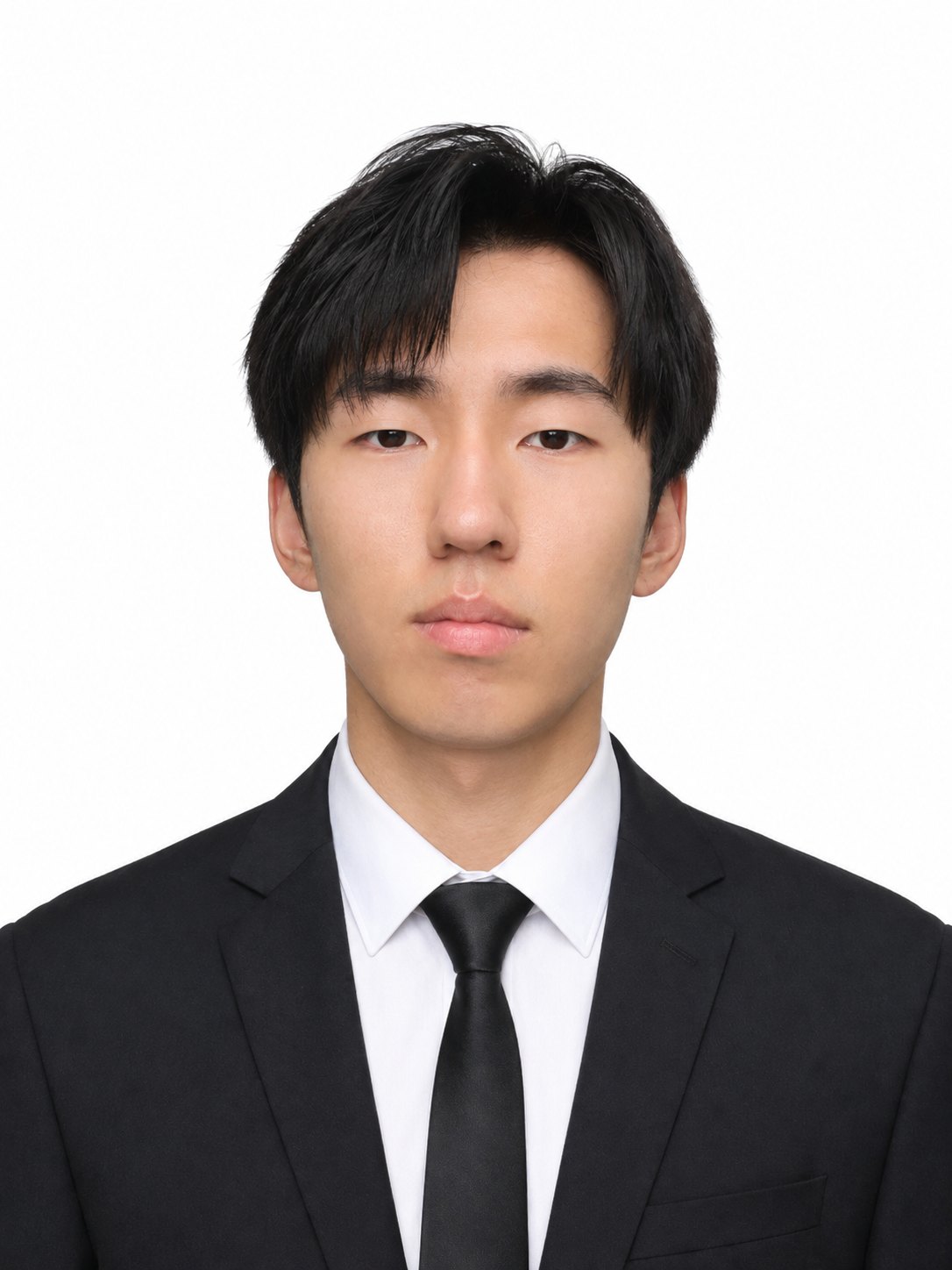
Zhenghao (Max) Wang builds instruments that listen — robotic performers, gestural interfaces and interactive systems — and plays the music himself, on jazz piano and oboe.
He is pursuing a Master’s in Music Technology at the Georgia Institute of Technology, after completing his degree in Computer Music at the Peabody Institute of The Johns Hopkins University (2022–2026). His research focuses on the naturalness of robotic performance and the role of AI in music creation.
Peabody advisors: Ted Moore, Bryan Jacobs, Sam Pluta, McGregor Boyle.